Flower Freshness Secrets

Mason O'Donnell
| 15-10-2026
 · Plant Team
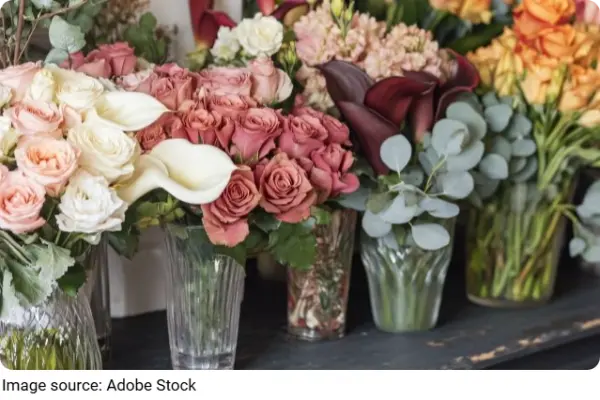
Walking into a florist shop can feel like stepping into a carefully managed garden. Fresh flowers may sit together in buckets for hours or even days while still looking bright, firm, and full of life. That freshness is not simply luck.
Florists use a combination of clean water, careful trimming, suitable temperatures, and thoughtful storage to slow natural deterioration and help each stem stay attractive.
Fresh Flowers Start With Careful Selection
The process begins before flowers reach the display area. Florists look for stems that are in good condition, with healthy leaves, firm stems, and blooms at an appropriate stage of development. Flowers that are too far open may have less time to remain attractive, while tightly closed varieties may need additional time before they are ready for arrangements.
Different flowers also have different needs. Some varieties are more sensitive to temperature changes, while others tolerate storage conditions better. Knowing these differences helps florists decide where each type should be placed and how to handle it.
Clean Water Makes a Difference
One of the most important parts of flower care is keeping the water clean. Flowers take up water through their stems, so dirty water can create an unfavorable environment and interfere with proper hydration.
Florists regularly change or refresh the water in storage containers. Buckets and vases also need to be cleaned between uses. This simple routine helps reduce unwanted buildup and keeps the flowers in better condition. Commercial flower care products may also be used. These solutions generally provide ingredients designed to support hydration and slow the growth of microorganisms in the water. Florists follow the product directions because using too much is not necessarily better.
Why Florists Trim the Stems
A fresh stem cut can help flowers take up water more effectively. Florists commonly trim the bottom of stems before placing flowers into water, especially when preparing them for a new arrangement. The cut is usually made with a clean, sharp tool to avoid unnecessary crushing or damage.
Removing leaves that would sit below the waterline is also important. Leaves submerged in water can deteriorate, contributing to poorer water quality. For customers buying flowers, trimming the stems again before placing them in a clean vase can be a useful part of home care.
Temperature Helps Slow Aging
Temperature is another major factor in maintaining flower freshness. In general, cooler conditions can slow many of the natural processes that cause flowers to age. That is why professional florists often use refrigerated storage designed specifically for flowers.
However, flowers are not all equally comfortable under the same conditions. Certain tropical varieties can be sensitive to colder temperatures and may suffer damage if stored too cold. Florists therefore consider the specific variety rather than treating every flower the same way.
Keeping flowers away from unnecessary heat also matters. Direct sunlight, warm rooms, and hot air from heating equipment can cause flowers to lose moisture more quickly.
Humidity and Airflow Matter Too
Water is not the only source of moisture that florists manage. The surrounding air also affects how quickly flowers lose water. Suitable humidity can help reduce excessive moisture loss, while appropriate airflow helps prevent stagnant conditions.
Professional storage areas are designed to create a stable environment rather than constantly exposing flowers to changing room conditions. This controlled setting is particularly useful when flowers need to remain fresh until they are arranged or delivered.
Handling Can Protect Delicate Blooms
Even a well-hydrated flower can deteriorate more quickly if handled roughly. Florists therefore try to avoid unnecessary pressure on petals, leaves, and stems during preparation. Flowers are often grouped by type and arranged so that delicate blooms are not crushed beneath heavier ones. Removing damaged leaves and petals also helps arrangements look cleaner and keeps attention on the healthiest parts of each stem.
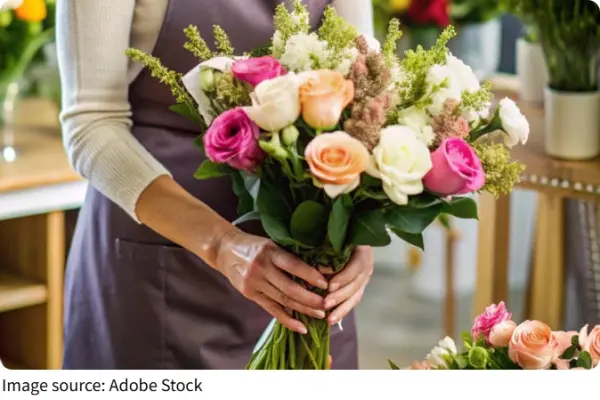
Keeping flowers fresh is less about one secret technique and more about consistent daily care. Florists combine suitable temperatures, clean containers, fresh water, careful stem preparation, and gentle handling to give flowers the best possible conditions. At home, similar habits—using a clean vase, changing the water regularly, trimming stems, and keeping arrangements away from heat and strong sunlight—can help extend the beauty of freshly cut flowers.