Right Size, Right Room

James Carter
| 14-08-2026
 · Lifestyle Team
Hi, Readers! A room can feel off even when every single piece looks lovely on its own. Sometimes the sofa is too deep, the table is too tiny, or the layout leaves awkward gaps that make the whole space feel either packed or strangely empty.
Getting furniture size and room proportion right is really what helps a home feel calm, useful, and welcoming. The key is not filling every corner. It is choosing pieces that fit the room, support how you move through it, and leave enough open space for the eye to rest.
Start With the Room First
Before picking furniture, look at the room itself. Measure the length and width, and pay attention to doors, windows, walkways, and where people naturally move. A large sectional in a small living room can make every step feel tight, while several tiny pieces in a large room can feel scattered and disconnected. The general idea is to match the visual weight of the furniture to the room size. Bigger rooms can usually handle larger pieces or grouped seating, while smaller rooms often feel better with streamlined shapes and fewer items.

Keep Traffic Flow Comfortable
One of the easiest ways to avoid a crowded room is to protect walking space. Furniture should never force people to squeeze past corners or turn sideways to move around. Leave clear paths between major pieces and between entrances and seating areas. In many rooms, coffee tables, side chairs, and consoles are the first things that make circulation harder. If movement feels awkward, the room will feel smaller than it really is. When traffic flow is smooth, even a modest room feels more relaxed and open.
Use Proportion, Not Just Size
Good proportion is about how pieces relate to one another, not just whether they are large or small. A low sofa with a very bulky table can feel unbalanced. A tiny rug under a full seating area can make everything look like it is floating. Side tables and coffee tables should feel connected in scale to the seating around them. The same goes for lamps, storage pieces, and art. When heights, widths, and visual weight work together, the room feels settled instead of random.
Let One Piece Lead
Most rooms benefit from one main furniture piece that sets the scale for everything else. In a living room, that may be the sofa. In a dining area, it is usually the table. Once that anchor is in place, the rest of the choices become easier. Supporting pieces should complement it rather than compete with it. If every item is oversized, the room feels heavy. If everything is too small, the space can feel unfinished. One clear anchor creates structure and helps the room feel intentional.
Do Not Push Everything to the Walls
It is easy to think moving all furniture against the walls will make a room feel bigger, but that is not always true. In some spaces, pulling seating slightly inward creates a more comfortable and connected arrangement. This can make conversation easier and help the room feel designed rather than accidental. Very large rooms especially benefit from grouped furniture that creates a sense of purpose within the open area. Empty edges do not automatically create balance if the center feels lost.
Watch the Rug, Table, and Seating Relationship
A common proportion issue comes from mismatched basics. Rugs that are too small can shrink the room visually, while oversized tables can block movement and overwhelm nearby seating. In many living rooms, the rug should help connect the main seating pieces so the arrangement feels unified. Coffee tables also need enough space around them to be useful without getting in the way. These details may seem small, but they strongly shape whether a room feels comfortable or cramped.
Balance Full and Empty Space
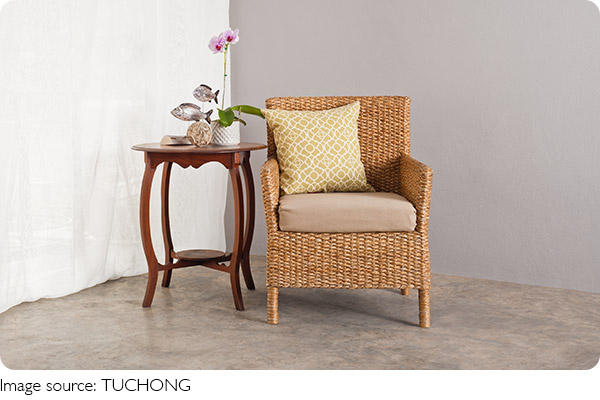
A beautiful room is not only about what you add. It is also about what you leave open. Empty space around furniture helps each piece breathe and gives the room a lighter feeling. At the same time, too much open space without clear grouping can feel cold or unfinished. Try to create balance. If one side of the room feels visually heavy, lighten it with a smaller piece, open floor area, or a simpler layout. Rooms usually feel best when furnished with intention, not filled by habit.
In the end, furniture sizing is really about comfort, movement, and balance. If a room feels crowded or oddly bare, small changes in scale, spacing, and arrangement can make a huge difference. Take a step back, measure carefully, and trust what the room is telling you. A well-proportioned space does not just look better. It feels better every day, and that is what truly makes a home lovely.