Pearls: Real or Fake?

Kwame Johnson
| 09-06-2026
 · Fashion Team
Pearls are considered one of the most coveted gemstones, cherished for their timeless beauty and elegance.
With advancements in technology and the rise of synthetic pearls, it’s becoming more challenging to tell the difference between real and fake pearls.
Knowing how to distinguish between them is essential if you're investing in a piece of jewelry or simply seeking authenticity. Here are some practical tips to help you spot the real deal from the impostors!
The Tooth Test
One of the simplest and most effective ways to test if a pearl is real is the tooth test. Real pearls have a slightly gritty or rough texture when rubbed against your teeth. This is due to the natural layers of nacre that form over time. Fake pearls, on the other hand, usually feel smooth and slick. While this is not foolproof (since some high-quality faux pearls may feel grainy), it remains one of the quickest methods to start your assessment.
Examine the Surface Luster
The luster of a pearl is another distinguishing feature. Real pearls have a deep, rich shine that emanates from the inside, known as orient. This lustrous effect is caused by light reflecting off the numerous layers of nacre. Fake pearls, made of materials like plastic or glass, tend to have a surface shine that appears more artificial and doesn't possess the same depth or iridescence. A genuine pearl’s luster is often soft, glowing, and almost liquid-like, while imitation pearls might look more plastic or overly shiny.
Check for Imperfections
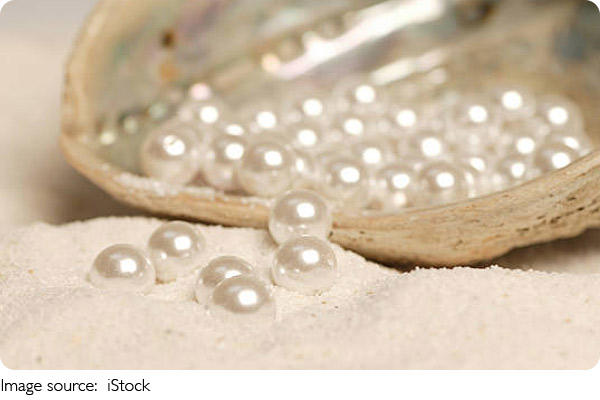
Real pearls rarely have a perfectly smooth surface. Due to their natural formation inside oysters or mollusks, each pearl is unique, and slight imperfections are common. Small blemishes or irregularities like spots, wrinkles, or pits can often be seen on the surface. Imitation pearls are usually flawless, with a uniform and smooth appearance. This lack of irregularities is a red flag when evaluating a pearl's authenticity.
The Weight Test
Real pearls have a significant weight to them due to their natural composition. They feel heavier than imitation pearls, which are typically made from lighter materials such as plastic or resin. While this is a subtle difference, if you hold a real pearl and a fake one in your hand, you should be able to feel the difference in weight. Be cautious though—large imitation pearls may also have added weight, so combine this test with others for a more reliable result.
Use a Magnifying Glass
When examining a pearl closely, using a magnifying glass can help you see intricate details that the eye may miss. Real pearls have tiny ridges and imperfections that form naturally during the process of their creation inside the mollusk. These features are often invisible on fake pearls, which are typically smooth and seamless. Inspect the drilled hole of the pearl as well; a real pearl will show signs of wear around the edges, while synthetic ones will often have smooth, clean drill holes.
The Temperature Test
Real pearls tend to feel cool to the touch, especially if they have been out of direct sunlight. This coolness comes from their natural composition. On the other hand, faux pearls, made from plastic or glass, tend to feel warmer immediately upon contact. This temperature difference can be subtle, but if you hold a real pearl in your hand for a few seconds and notice it staying cool, it's likely genuine.
Examine the Drill Hole
When you look at the drilled hole of a pearl, real pearls usually show frayed or rough edges because they are naturally drilled through. Fake pearls, however, tend to have neat, clean drill holes since they are mass-produced using machines. The appearance of the drill hole can be a good indicator of authenticity.
Price and Source
Authentic pearls can be quite costly, especially natural pearls or high-quality cultured ones. If the price of a pearl seems unusually low, it's a strong indicator that the pearl may not be real. Furthermore, check the source where the pearl is being sold. Established jewelers or reputable dealers are more likely to sell genuine pearls and often provide certificates of authenticity.
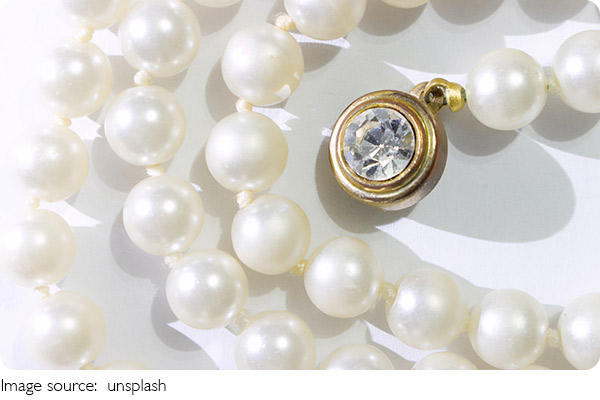
Distinguishing real pearls from fake ones involves more than one simple test. Combining several of these methods will give you a better idea of whether your pearl is genuine. From the texture test to examining its luster and imperfections, every detail counts. If you’re still unsure, consider seeking professional assistance from an expert in gemstones or a reputable jeweler who can confirm the authenticity of your pearls. Whether you're investing in pearls or simply admiring their beauty, understanding how to tell the real from the fake ensures you're getting the value you deserve, Lykkers!