The World's Rarest Pearls
Ethan Sullivan
| 09-06-2026
 · Fashion Team
Pearls, often referred to as "teardrops of the sea," have been cherished for centuries. Their smooth, lustrous sheen symbolizes elegance and purity. Women and pearls are a match made in heaven, just like the moon and stars in the night sky.
Together, they reflect grace, beauty, and timelessness. A pearl tells a story, much like a woman's journey through life. Today, we're exploring four of the rarest natural pearls that are truly mesmerizing!
Abalone Pearls: A Unique Beauty
Abalone pearls are one of the rarest and most stunning pearls found in the oceans. They are produced by abalones, a type of mollusk that belongs to the Haliotis genus. These pearls are known for their unique multicolored, iridescent appearance. Their shape is often elongated, resembling "horns" or "teeth," adding to their distinctiveness. What makes abalone pearls especially sought-after is their vibrant luster and range of colors, which can include greens, blues, and even deep purples.
If we're looking for a rare treasure, abalone pearls are among the most coveted. The way their colors shift in the light makes them particularly captivating. Every piece is unique, reflecting the light in its own way.
Mother-of-Pearl Pearls: A Timeless Classic
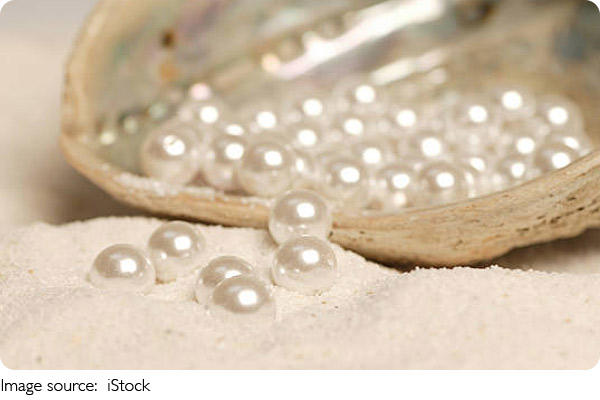
The majority of natural pearls are produced by Pinctada, a species of saltwater mollusks. These mollusks create pearls that are renowned for their smooth and lustrous surfaces. Most of the pearls we find in jewelry are formed within mother-of-pearl shells. Among the most notable is the Gulf Pearl (Pinctada radiata), which can range in color from yellow to pale yellow to white.
Mother-of-pearl pearls are a staple in the jewelry industry due to their classic appeal. The pearlescent quality they possess makes them the perfect material for creating timeless and elegant jewelry. These pearls have been treasured for centuries, and their natural beauty continues to captivate us.
Conch Pearls: A Rare Gem
Conch pearls are produced by the queen conch (Aliger gigas), a type of mollusk found in tropical waters. These pearls are unique for their pink color, which can vary in intensity. The most valuable conch pearls display a cat-eye or flame-like pattern on their surface, making them even more desirable.
What sets conch pearls apart is their extreme rarity. Due to the particular conditions required for their formation, conch pearls are incredibly difficult to find, and their prices reflect this rarity. They are a true gem of the ocean, often considered one of the most prized pearls on the market.
Melo Pearls: The Mystical Fire
Melo pearls are perhaps the most mysterious and rare of all pearls. They come from the Melo melo sea snail and are non-nacreous, meaning they don't have the traditional pearly luster. Instead, they have a vibrant orange color and often display a fiery pattern on their smooth surfaces, making them one of the most eye-catching natural pearls.
The formation of Melo pearls is shrouded in mystery. These pearls are incredibly rare, as the snails that produce them are found in deep waters. Due to their scarcity and the unique patterns they exhibit, Melo pearls are considered some of the most expensive and intriguing pearls in the world.
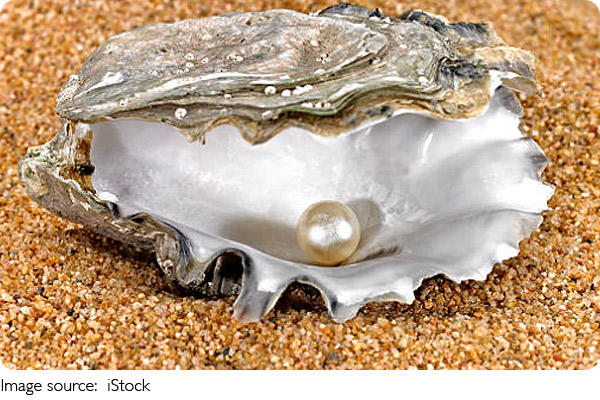
Pearls are more than just jewelry—they are a symbol of elegance, beauty, and timelessness. The rarest types, such as abalone, mother-of-pearl, conch, and Melo pearls, are not only captivating in their appearance but also carry a unique story with each piece. As women wear these precious gems, they not only adorn themselves but also carry with them the essence of the ocean, where these pearls are formed.
Each type of pearl is a masterpiece, a testament to the wonders of nature. Whether it's the colorful shimmer of an abalone pearl or the fiery glow of a Melo pearl, we can appreciate their beauty and rarity. So next time you come across one of these rare pearls, take a moment to admire their story and their incomparable charm.