Pearl Color Science

Mason O'Donnell
| 16-04-2026
 · Fashion Team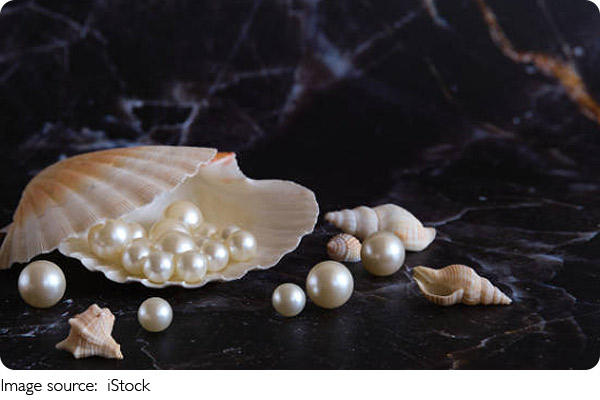
Pearls have long fascinated people with their soft glow and ever-changing shades. When we look closely, we can see that no two pearls are exactly the same. Some shine in gentle white, others carry pink or golden tones, while some display green, silver, or even deep dark hues.
These colors are not accidental. They are created through a fascinating mix of natural chemistry, living organisms, and light interaction. Let’s explore how pearls develop their unique and beautiful colors in a simple and clear way.
Trace Elements Inside the Pearl
One major factor that influences pearl color is the presence of trace elements. These are tiny amounts of minerals and metals that become part of the pearl during its growth process. Even in very small quantities, they can strongly affect the final color.
For example, copper elements may contribute to golden or warm hues. Silver-related elements can lead to creamy yellow tones. Sodium can create soft skin-like shades, while zinc may help produce pinkish colors. These chemical variations quietly shape the pearl’s appearance over time.
Role of the Host Shellfish
The species of shellfish that produces the pearl is another key factor. Each type of mollusk has a different inner shell lining, and this natural lining influences the color of the pearl formed inside.
As the pearl grows, it gradually reflects the characteristics of its host. This is why pearls from different species can show very distinct colors, even when they are formed in similar marine environments. Biology plays a major role in defining the base tone of each pearl.
Environmental Conditions in the Water
The surrounding water environment also plays an important role. Factors such as water temperature, mineral content, and overall marine conditions all affect how a pearl develops.
Pearls growing in seawater may absorb different trace minerals compared to those formed in other water types. Over time, these environmental influences interact with the pearl’s structure and contribute to subtle or even noticeable color differences.
Organic Substances and Natural Pigments
Inside pearls, there are organic materials and natural pigments that affect how light is absorbed and reflected. These substances interact with light in selective ways, meaning certain wavelengths are absorbed while others are reflected back to the eye.
This selective absorption creates a wide range of color effects. In some darker pearls, more light is absorbed due to higher organic content. In lighter pearls, combinations of amino acids and minerals may create soft yellow, pink, or neutral tones.
Layered Structure and Light Effects
A pearl is made of many thin layers of calcium-based crystals stacked on top of each other. When light hits these layers, it does not simply pass through. Instead, it is reflected, refracted, and interfered with between layers.
Because each layer has slightly different thickness, the reflected light changes in complex ways. This creates the shimmering, glowing effect that pearls are famous for. The structure itself is a natural system that transforms light into color.
Modern Cultivation and Natural Formation
In modern pearl cultivation, the final color is still largely determined by the species of the shellfish and its genetic traits. Some species naturally produce darker pearls, while others tend toward lighter shades.
At the same time, cultivation techniques can influence how pearls develop by controlling growth conditions. However, the final color outcome still depends heavily on natural biological processes rather than full human control.
The Beauty Behind Every Pearl
Pearl colors are the result of a beautiful combination of biology, chemistry, environment, and light interaction. Each pearl carries its own unique story, formed slowly over time in nature’s quiet rhythm.
Lykkers, the next time you see a pearl, take a closer look at how its color changes under different lighting. You may notice that it is not just a single shade, but a living play of light and structure.
Thank you for reading, and we hope this helps us all appreciate the natural science behind one of the ocean’s most elegant creations.
Discover How Pearls Are Created in Nature
Video by JoshsMedia2024