Growing Sunflowers
Ethan Sullivan
| 31-03-2026
 · Art Team
Imagine stepping into your backyard, where the sun is shining bright, and you're surrounded by towering, golden sunflowers, their faces following the warmth of the day.
Sunflowers are one of the most cheerful and rewarding flowers to grow, and with the right care, they can transform any garden into a stunning, vibrant display. But what does it take to grow these iconic flowers from seeds to full bloom?
Choosing the Right Varieties
Sunflowers come in many varieties, each with its unique size, color, and shape. Choosing the right one for your garden is crucial to having a successful sunflower-growing experience.
1. Giant Sunflowers
If you have space and want to be amazed by a towering giant, go for varieties like Mammoth or Russian Giant. These can grow up to 12 feet tall, with flowers reaching over a foot across. Keep in mind that these larger varieties need plenty of room to grow and thrive.
2. Dwarf Sunflowers
For smaller gardens or container planting, consider dwarf varieties like Teddy Bear or Pacino. These sunflowers only grow to about 18 to 24 inches, making them perfect for adding a splash of color to limited spaces.
3. Multi-Flowered Sunflowers
If you want a sunflower that offers a unique look, try varieties that produce multiple flowers per plant, like Autumn Beauty or Burgundy. These types often feature a mix of colors, such as red, orange, and yellow, creating a beautiful bouquet effect right in your garden.
Preparing the Soil
Sunflowers are not particularly fussy about soil, but providing them with the right conditions can make a significant difference in their growth.
1. Well-Drained Soil
Sunflowers need soil that drains well to prevent waterlogging, which can lead to root rot. Loamy, sandy soil with good drainage is ideal. If your soil is heavy clay, consider amending it with organic matter or compost to improve drainage.
2. Nutrient-Rich Soil
While sunflowers are fairly low-maintenance, they do appreciate a little extra nourishment. Before planting, enrich your soil with a balanced fertilizer or compost to give them the nutrients they need for strong growth. Sunflowers are heavy feeders, so a nutrient-rich foundation will help them grow tall and strong.
3. pH Levels
Sunflowers prefer a slightly acidic to neutral soil pH, typically around 6.0 to 7.5. You can easily check the pH of your soil with a test kit and amend it if needed to ensure your sunflowers are getting the best possible start.
Planting Sunflower Seeds
The process of planting sunflowers is simple and straightforward, but there are some tips to ensure success.
1. Planting Depth
Plant sunflower seeds about 1 to 1.5 inches deep into the soil. If you're growing multiple sunflowers, space the seeds 6 to 12 inches apart to give each plant enough room to grow. If you're planting giant sunflowers, space them about 18 to 24 inches apart.
2. Optimal Planting Time
Sunflowers are warm-weather plants, so wait until all danger of frost has passed and the soil temperature has warmed up to at least 55°F (13°C). In most regions, this means planting seeds in late spring, around May or June.
3. Sunlight Requirements
Sunflowers need full sunlight to thrive. Choose a location in your garden that gets at least 6 to 8 hours of direct sunlight each day. This will ensure strong, healthy plants that grow to their full potential.
Watering and Maintenance
Once your sunflower seeds are planted, it's essential to give them the proper care as they grow.
1. Consistent Watering
Keep the soil moist but not waterlogged, especially during the germination stage. Once the plants are established, they can tolerate some drought, but regular watering will encourage better blooms and sturdier stems. Water deeply at the base to avoid wetting the leaves, which can lead to fungal issues.
2. Support for Tall Varieties
If you're growing giant sunflowers, you'll need to stake them for support as they grow taller. Use tall stakes and secure the plants with soft ties to prevent them from falling over in the wind.
3. Deadheading and Pruning
To encourage longer blooming, remove any faded or dead flowers. This process, known as deadheading, helps the plant focus its energy on new blooms instead of seed production. For tall sunflowers, trimming the lower leaves can help direct nutrients toward the flowers.
Harvesting and Enjoying Your Sunflowers
Sunflowers are not just beautiful to look at—they're also incredibly useful. From seeds to cut flowers, sunflowers offer plenty of rewards once they're ready for harvest.
1. Harvesting Sunflower Seeds
If you're growing sunflowers for their seeds, wait until the flower heads turn brown and the seeds are fully developed. At this stage, the seeds should be firm and plump. Cut the flower heads and hang them upside down to dry in a cool, dry place.
2. Using Sunflowers as Cut Flowers
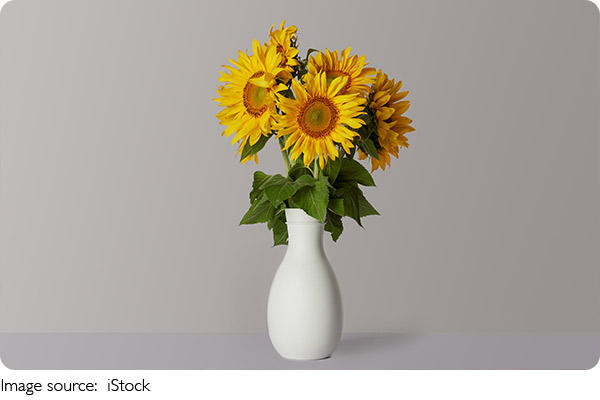
Sunflowers are fantastic for bouquets. To prolong their vase life, cut the stems at an angle and change the water regularly. With proper care, cut sunflowers can last up to 10 days in a vase, filling your home with vibrant colors.
3. Enjoying the Seeds
Sunflower seeds can be roasted and eaten as a delicious snack. You can also save some of the seeds for next season's planting or to share with friends and family.
Ending: A Garden Full of Sunshine
There's nothing quite like the joy of growing sunflowers and watching them reach for the sky. Whether you're looking to brighten your garden with their sunny faces or harvest their seeds for culinary purposes, sunflowers are an incredibly rewarding plant to grow. By following these simple tips, you'll be well on your way to creating a beautiful and bountiful sunflower garden.