Start Your Slope Ride Right

Nolan O'Connor
| 27-03-2026
 · Sport Team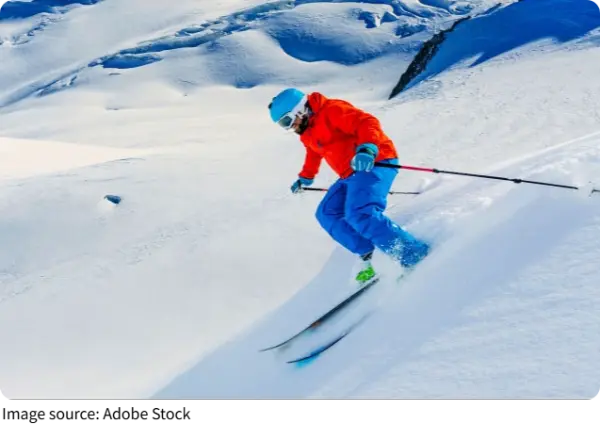
That moment when you reach the top of a slope can feel like standing on the edge of adventure.
The crisp air, the snow glistening below, and the thrill of the first glide make preparation just as important as the descent.
A smooth start sets the tone for the whole run and keeps you safe and confident.
Check Your Gear Thoroughly
Before stepping onto the slope, make sure your skis, boots, and poles are in proper condition. Ill-fitted or loose gear can ruin your balance and make starting tricky.
Practical steps:
- Inspect your skis for wax and sharp edges for smooth turns.
- Confirm that ski boots fit snugly, buckles fastened, and heels secured.
- Adjust pole length so your elbows bend roughly 90 degrees when holding them.
Actionable tip: Stand in your boots on a flat surface and flex forward and backward. This simulates slope motion and ensures your boots won't restrict movement when starting.
Assess the Slope and Position Yourself
Understanding the slope is key to a controlled start. Check the incline, surface conditions, and any obstacles. Positioning yourself correctly helps maintain balance from the first push.
Practical steps:
- Stand perpendicular to the slope's fall line, feet hip-width apart.
- Bend knees slightly, keeping your center of gravity forward but relaxed.
- Look down the slope to anticipate the first few meters of movement.
Actionable tip: Before moving, shift your weight gently from one ski to the other. This micro-adjustment helps you feel the slope's resistance and prepares your muscles for the initial glide.
Practice Weight Distribution
Your body's balance controls your glide and speed. Beginners often lean too far back, causing skis to skid or lose control. Correct weight distribution ensures a stable start.
Practical steps:
- Keep most weight over the balls of your feet, not the heels.
- Slightly bend your knees and hips for shock absorption.
- Maintain a forward-leaning upper body while keeping arms in front.
Actionable tip: On a gentle slope, practice small hops or sways while keeping weight forward. This strengthens the muscles needed to maintain balance during your first push.
Position Your Poles for a Smooth Push
Poles aren't just for balance—they provide extra propulsion at the start. Using them correctly can prevent awkward shuffles and uneven glides.
Practical steps:
- Place the pole tips slightly behind your feet, angled backward.
- Grip poles firmly but relaxed, elbows slightly bent.
- Push gently with both poles as you start moving, coordinating with the first ski glide.
Actionable tip: Practice one or two synchronized pole pushes on a gentle slope before the main run. Feeling the rhythm between pole push and ski glide improves stability instantly.
Focus on a Controlled First Glide
The first meters of your descent set your pace and confidence. Rushing or leaning unpredictably can throw off balance. Start slow, feel your skis, and build momentum gradually.
Practical steps:
- Take a small, confident push with your poles and let skis glide forward.
- Keep knees bent and body centered, eyes on the path ahead.
- Adjust speed with gentle snow plows if necessary to maintain control.
Actionable tip: Pick a visual marker down the slope, such as a tree or marker pole, and aim to reach it with steady speed. This gives your body a target to align balance and movement.
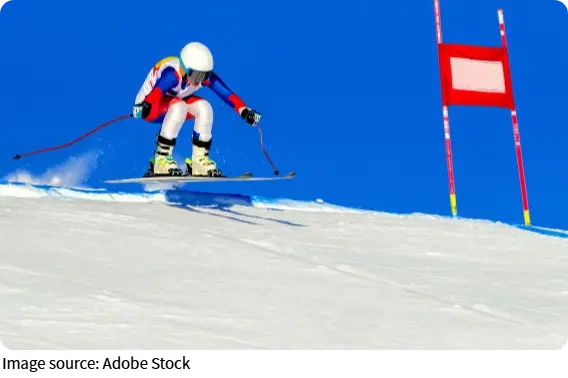
Practice Makes the Launch Effortless
Repeated preparation builds instinctive skills. Each run reinforces posture, weight distribution, and pole timing, making slope starts smoother over time. Short drills before tackling longer runs can dramatically improve confidence.
Practical steps:
- Dedicate 5–10 minutes at the slope's top to practice starts.
- Vary starting techniques: one push with poles, one without.
- Note which movements feel most balanced and repeat them consistently.
Actionable tip: Film your starting technique or ask a friend to watch. Seeing your posture helps identify subtle mistakes that can cause wobbles or misalignment during the first glide.
A successful slope start isn't about rushing; it's about preparation, posture, and rhythm. Each careful step, from gear checks to controlled glides, builds confidence that lets you enjoy the descent fully. With consistent practice, the act of launching down a slope will feel as natural and exhilarating as the run itself.