The World of Air Transport

Declan Kennedy
| 05-02-2026
 · Information Team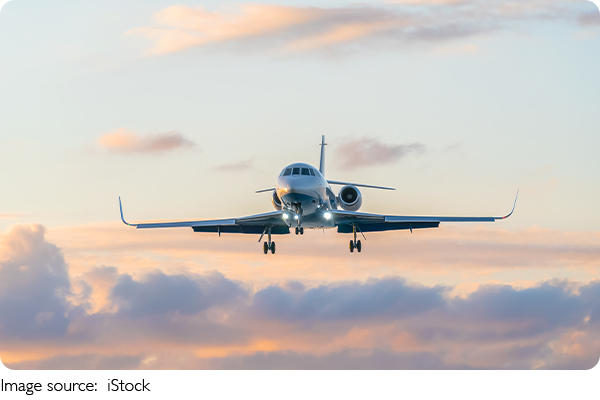
Watching a plane soar across the sky is more than a simple spectacle—it's a glimpse into a network that connects people, goods, and ideas across continents.
Air transport has transformed the way we travel, conduct business, and even experience culture, making the world feel smaller and more accessible.
Behind the cabins and wings lies a sophisticated system of technology, logistics, and planning that keeps millions of flights running safely every year.
Passenger Air Travel
Flying has become the fastest way to cover long distances, connecting cities and countries in hours rather than days. Airlines operate vast networks, allowing travelers to reach almost any major destination efficiently.
Practical examples:
1. Business travelers can attend meetings on different continents within a single day, using connecting flights and carefully timed schedules.
2. Budget airlines make short-haul flights accessible for weekend trips, offering flexible travel options for leisure travelers.
3. Frequent flyers can use loyalty programs to maximize benefits like priority boarding, upgrades, and lounge access, making air travel more comfortable and cost-effective.
Passenger air transport has also pushed airlines to innovate, improving comfort, safety, and punctuality while handling increasing volumes of travelers.
Cargo and Freight Transport
Air transport isn't just about people—it plays a critical role in moving goods quickly around the globe. Air cargo ensures products reach markets faster than any other method, supporting industries from electronics to fresh food.
Practical examples:
1. Perishable goods like fruits, flowers, and seafood are transported by air to maintain freshness and meet tight delivery windows.
2. Emergency medical supplies, including vaccines and organs for transplant, rely on air transport for rapid delivery.
3. High-value electronics and machinery benefit from air shipping due to its speed and reduced risk compared to long sea routes.
The efficiency of air freight allows companies to operate just-in-time supply chains, reducing storage costs and meeting customer demands quickly.
Safety and Technology
The safety of air transport depends on advanced technology, strict regulations, and continuous monitoring. Modern airplanes are equipped with sophisticated navigation systems, autopilot functions, and safety features to prevent accidents.
Practical examples:
1. Air traffic control uses radar and satellite data to coordinate thousands of flights every day, ensuring planes maintain safe distances.
2. Aircraft undergo regular maintenance checks and inspections, including engine tests, cabin system checks, and structural evaluations.
3. Pilots receive extensive training in simulators to handle emergency scenarios like turbulence, engine failure, or sudden weather changes.
Technological advancements, combined with rigorous safety protocols, have made air transport one of the safest modes of travel.

Environmental Considerations
While air transport is fast and convenient, it also has environmental impacts. Airlines are exploring solutions to reduce fuel consumption and carbon emissions.
Practical examples:
1. Modern aircraft use lightweight materials and fuel-efficient engines to reduce overall energy use.
2. Airlines implement carbon offset programs, allowing passengers to contribute to environmental initiatives for each flight.
3. Electric and hybrid planes are being developed for short regional routes, aiming to decrease reliance on traditional jet fuel.
Travelers can also make environmentally conscious choices by selecting nonstop flights, which consume less fuel than multiple-leg journeys.
The Future of Air Transport
Air transport continues to evolve, embracing new technologies and expanding its reach. Innovations promise faster, safer, and more sustainable flights in the years to come.
Practical examples:
1. Supersonic passenger planes are being designed to cut transcontinental flight times in half, making long-distance travel even faster.
2. Autonomous drones and cargo aircraft could handle deliveries in urban areas, reducing traffic congestion and delivery delays.
3. Digital systems for booking, boarding, and baggage tracking improve efficiency, enhancing the passenger experience from start to finish.
The future of air transport is closely tied to innovation, sustainability, and global connectivity, making it a vital part of modern life.
Air transport is more than moving from one place to another—it connects people, cultures, and economies in ways that redefine the pace of life. By understanding its complexities, benefits, and challenges, we can appreciate just how much the world depends on the skies above.