Choosing Minimalist Vases

Naveen Kumar
| 30-01-2026
 · Plant Team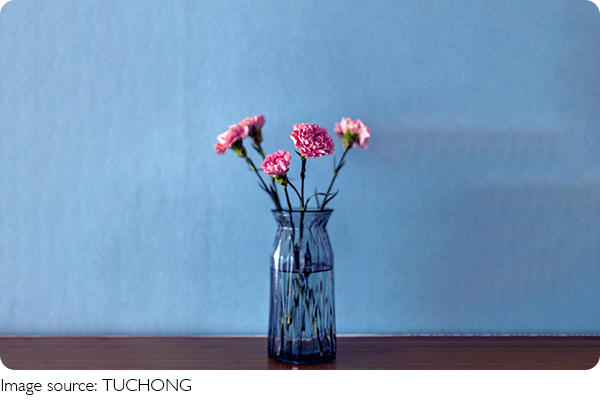
A room can feel almost finished, yet something still feels off. The shelves are clean, the table is clear, and the colors are calm—but the space lacks warmth or focus.
This is often where a vase comes in. In minimalist interiors, a vase isn't just a container for flowers. It becomes a visual anchor. Choosing the wrong one can add noise; choosing the right one can make the entire room feel intentional.
The challenge is that minimalist vases all look similar at first glance. Neutral colors, simple shapes, smooth surfaces. But small differences in proportion, material, and placement have a big impact. Understanding those differences helps you choose a vase that works with your space instead of competing with it.
Start with the role, not the look
Before thinking about shape or color, decide what you want the vase to do. In minimalist spaces, every object should have a clear purpose.
Ask yourself:
1. Will this vase hold fresh flowers, dried stems, or nothing at all?
2. Will it live on a dining table, shelf, console, or windowsill?
3. Should it draw attention or quietly blend in?
A vase meant to stand alone should have strong form and balance. One meant to hold branches or flowers should support them without stealing focus. Many people buy a vase because it looks good on its own, then struggle to style it once it's home.
If the role is clear, the choice becomes much easier.
Shape matters more than decoration
Minimalist vases rely on shape to create interest. Without patterns or bright colors, proportion does all the work.
Tall, narrow vases emphasize height. They're ideal for corners, side tables, or shelves where you want the eye to move upward. Wide, low vases feel grounded and calm, making them better for dining tables or coffee tables where sightlines matter.
Pay attention to the opening. A narrow mouth supports a few stems and keeps arrangements controlled. A wide opening creates a looser, more casual look but requires careful styling to avoid clutter.
When in doubt, choose simpler shapes. Clean cylinders, soft curves, and subtle angles age better than trendy silhouettes.
Material sets the mood
Material choice changes how a vase feels in a space, even when the shape stays the same.
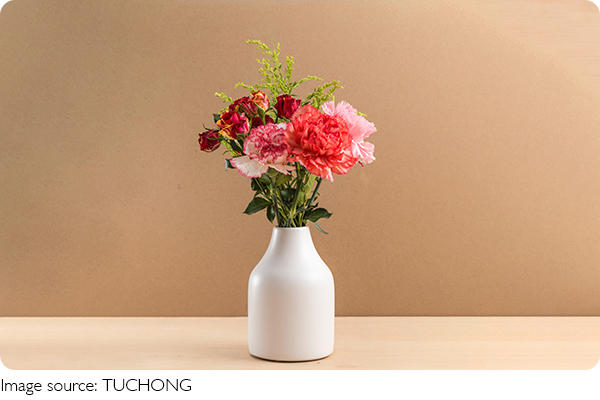
Ceramic vases add softness. Matte finishes reduce glare and work well in calm, quiet rooms. Slight imperfections often add warmth without breaking the minimalist feel.
Glass vases feel light and open. Clear glass disappears visually, making it perfect for small spaces. Frosted or tinted glass adds interest while staying subtle.
Stone or concrete vases feel solid and grounded. They work well in rooms with a lot of natural light and simple furniture. Because they're visually heavy, size control is important.
Metal vases should be used carefully. Brushed finishes are calmer than polished ones and reflect less light, keeping the space balanced.
Choose materials that echo what's already in the room. Repetition creates harmony.
Color should support, not dominate
Minimalist vases usually stay within a narrow color range for a reason. Soft whites, warm neutrals, muted grays, and gentle earth tones blend easily into most spaces.
A vase doesn't need to match everything, but it should relate to something nearby. This might be the wall color, the tabletop, or another object in the room.
If your space already feels very neutral, a slightly darker or warmer vase can add depth without breaking the calm. Avoid high contrast unless the vase is meant to be the focal point.
Color in minimalist design works best when it whispers instead of shouts.
Scale and proportion prevent visual tension
One of the most common mistakes is choosing a vase that's the wrong size. A beautiful vase can feel awkward if it's too small or overpowering if it's too large.
Use these general guidelines:
1. A table vase should take up no more than one-third of the table's width
2. Shelf vases should vary in height but stay visually balanced
3. Floor vases need enough surrounding space to breathe
If you're placing a vase near other objects, consider grouping by odd numbers. A single vase feels intentional. Three vases of varying heights feel dynamic. Two often feel accidental.
Step back and view the arrangement from across the room. If your eye feels restless, adjust scale or spacing.
Empty vases are not unfinished
In minimalist design, an empty vase is not a problem. It can stand on its own as a sculptural object.
An empty vase works best when its form is strong and its surface is interesting. It becomes a pause for the eye, offering visual rest.
If you do add stems, keep them simple. One branch, a few dried grasses, or a single type of flower is usually enough. Overfilling defeats the purpose.
Think of the vase and its contents as one composition, not separate elements.
Placement changes everything
Where you place a vase matters as much as which one you choose. A well-chosen vase in the wrong spot loses its impact.
Place vases where they interact with light. Natural light brings out texture and soft shadows. Avoid crowding them with unrelated objects.
Try moving the vase to different spots before committing. A console table, a bedside table, or even a bathroom counter can completely change how it feels.
Sometimes the best placement is unexpected.
Choosing fewer, better pieces
Minimalist decorating isn't about owning less for it. It's about choosing objects that earn their place.
One thoughtful vase often does more than a shelf full of average ones. When each piece has room to be seen, the space feels calmer and more personal.
Before buying another vase, look at what you already have. Is there one that could work better with a different placement or fewer stems?
A minimalist vase should make the room feel more settled, not more styled. When you find one that fits, you'll notice the difference immediately—and you won't feel the urge to replace it anytime soon.